Optimal Timing for Concrete Driveway Paving
Choosing the optimal time for concrete driveway paving depends on climate conditions, temperature, and humidity levels. Proper timing ensures durability, minimizes cracking, and promotes even curing. Typically, the ideal period involves moderate temperatures and low precipitation, which support optimal curing processes.
Spring offers moderate temperatures and lower moisture levels, making it suitable for concrete paving projects.
Early summer is ideal when temperatures are warm but not excessively hot, ensuring proper curing without rapid drying.
Autumn provides cooler temperatures and less rain, which can be beneficial for concrete setting and curing.
Cold temperatures and freezing conditions can hinder curing and increase the risk of cracking and other issues.
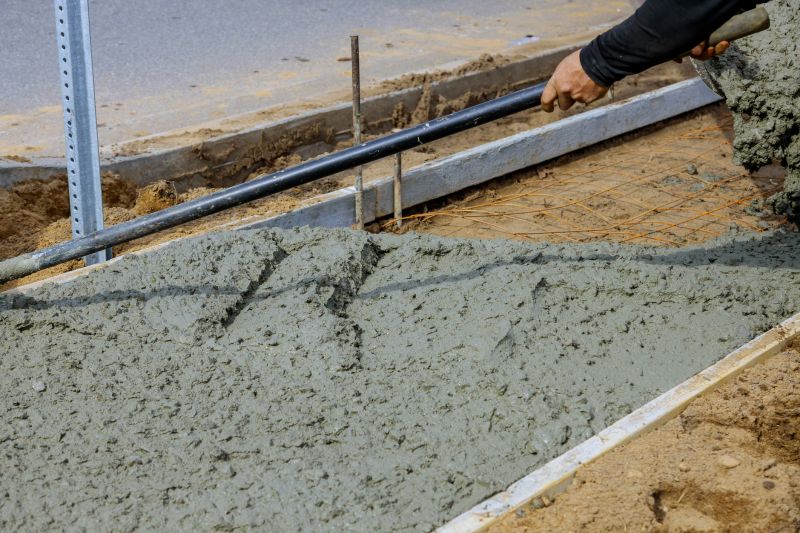
Ways to make Concrete Driveway Pavings work in tight or awkward layouts.
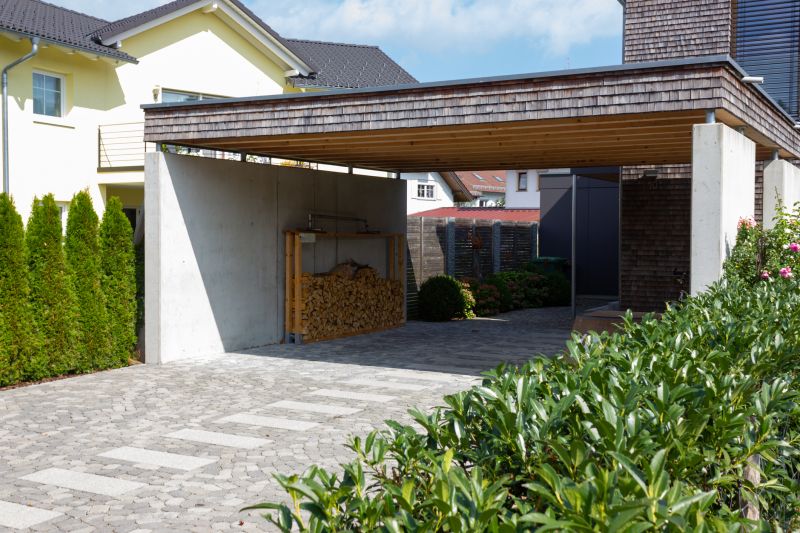
Popular materials for Concrete Driveway Pavings and why they hold up over time.
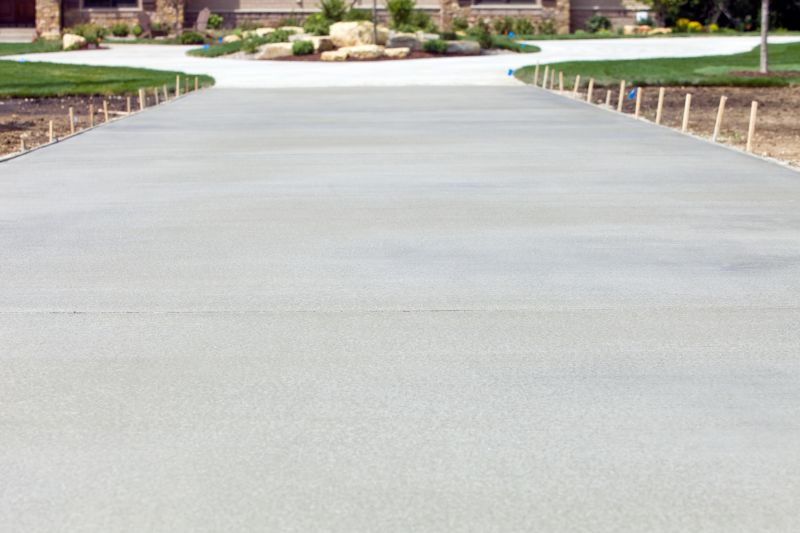
Simple add-ons that improve Concrete Driveway Pavings without blowing the budget.
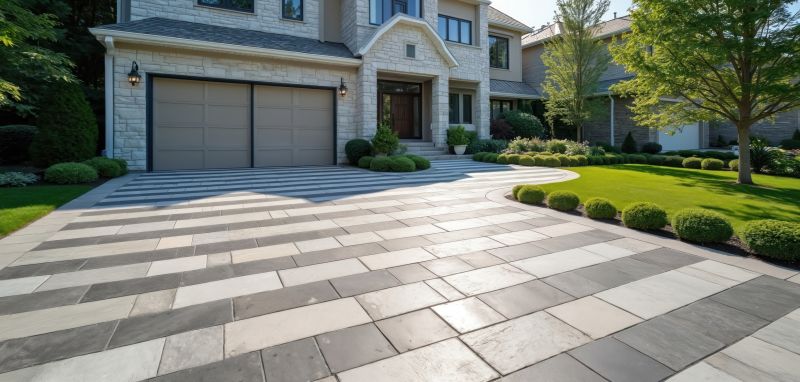
High-end options that actually feel worth it for Concrete Driveway Pavings.
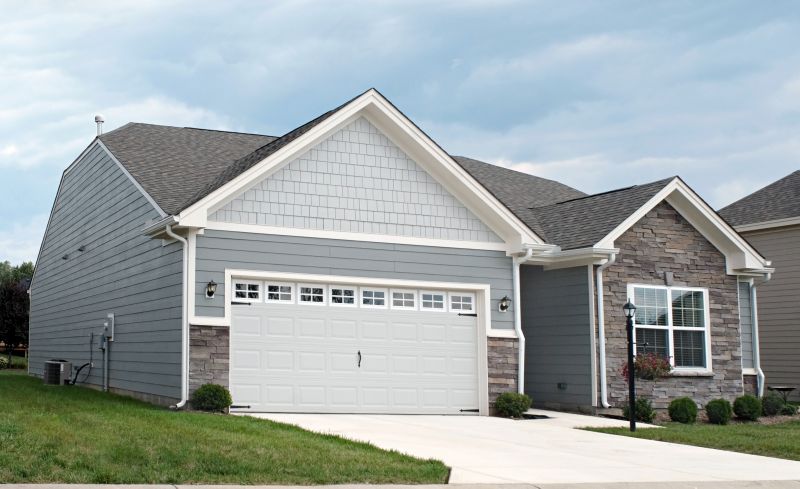
Finishes and colors that play nicely with Concrete Driveway Pavings.
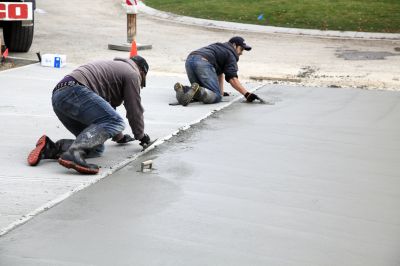
Little measurements that prevent headaches on Concrete Driveway Pavings day.
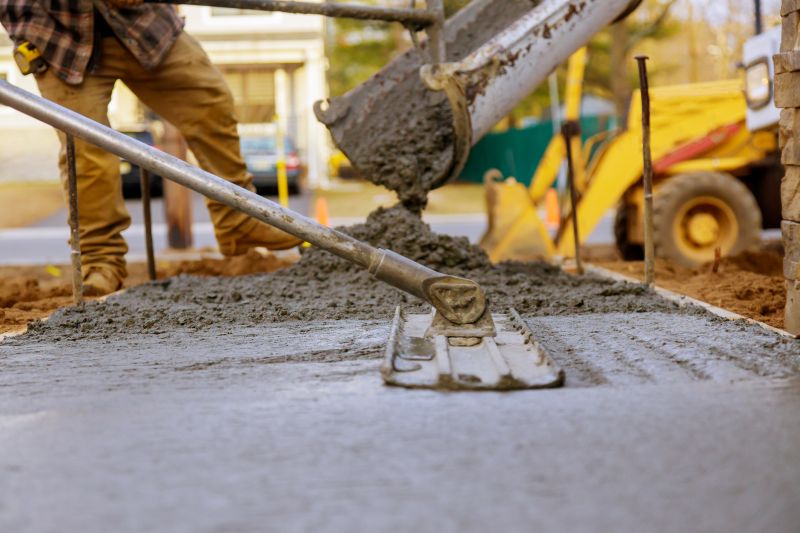
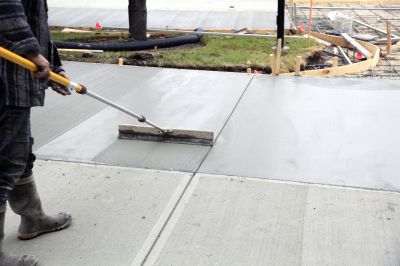
Concrete driveway paving involves placing a mixture of cement, water, and aggregates to create a durable surface for vehicles and pedestrians. Proper timing and weather conditions are crucial to achieving a long-lasting finish. The process typically requires several days of curing, during which temperature and humidity influence the strength and appearance of the surface.
Statistics indicate that concrete pavings installed during favorable weather conditions tend to have fewer cracks and a smoother surface. For example, paving in temperatures between 50°F and 85°F (10°C to 29°C) with low humidity ensures optimal hydration and curing. Proper planning around weather patterns can extend the lifespan of the driveway and reduce maintenance costs over time.
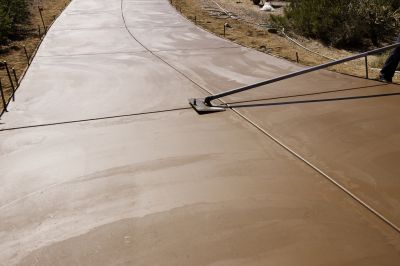
A 60-second routine that keeps Concrete Driveway Pavings looking new.
A frequent mistake in Concrete Driveway Pavings and how to dodge it.
Small tweaks to make Concrete Driveway Pavings safer and easier to use.
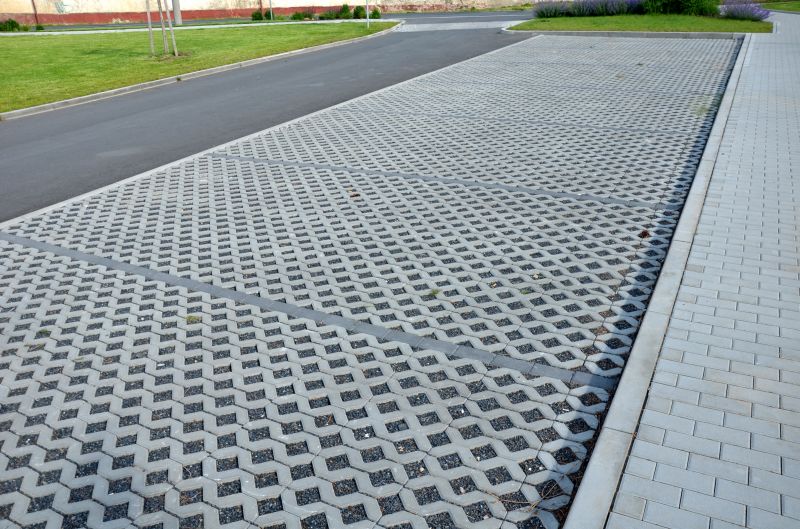
Lower-waste or water-saving choices for Concrete Driveway Pavings.
Interested in scheduling a concrete driveway paving project? Fill out the contact form to get more information and discuss suitable timing based on specific conditions and preferences.